Starcloud’s $170M Series A: Building Data Centers in Space
Have you ever imagined a data center floating in space? Well, Starcloud just raised $170 million in a Series A round to turn that vision into reality. This startup, already a Y Combinator unicorn, is moving fast — aiming to build data centers beyond Earth’s atmosphere.
Key Takeaways
- Starcloud raised $170 million in a Series A funding round.
- They plan to build data centers in space to meet growing data demands.
- The startup hit unicorn status just 17 months after demo day — a record pace for Y Combinator.
- Space data centers could reduce latency and energy costs on Earth.
What Is Starcloud Raising $170 Million For?
Starcloud is pioneering a new frontier in cloud computing by developing data centers in space. Why space? Because as our data needs skyrocket, traditional data centers on Earth face limitations — from land availability to cooling requirements and energy consumption. Starcloud’s plan is to overcome these by placing servers in orbit, potentially providing faster data access and greener operations.
Developing technology for space-based data centers isn’t simple. It needs huge capital investment for satellite launches, specialized cooling tech, and reliable connectivity. The $170 million raised in this Series A round gives Starcloud the muscle to build prototypes, launch test satellites, and improve infrastructure.
How Is Starcloud So Quickly Becoming a Unicorn?
Reaching a $1 billion valuation 17 months after demo day is no small feat. Starcloud’s rapid rise is thanks to a perfect mix of timing, technology, and vision. The explosion of cloud services, 5G networks, and AI-driven applications means demand for data storage and processing is booming. Investors know that traditional Earth-based data centers can’t keep up forever.
Starcloud taps into these trends with a bold solution. Their fast progress also reflects strong backing from top venture capitalists who believe in space tech’s future. The buzz around space startups these days adds fuel to the fire — companies like SpaceX and Blue Origin have made space more accessible and exciting.
What Does Building Data Centers in Space Actually Look Like?
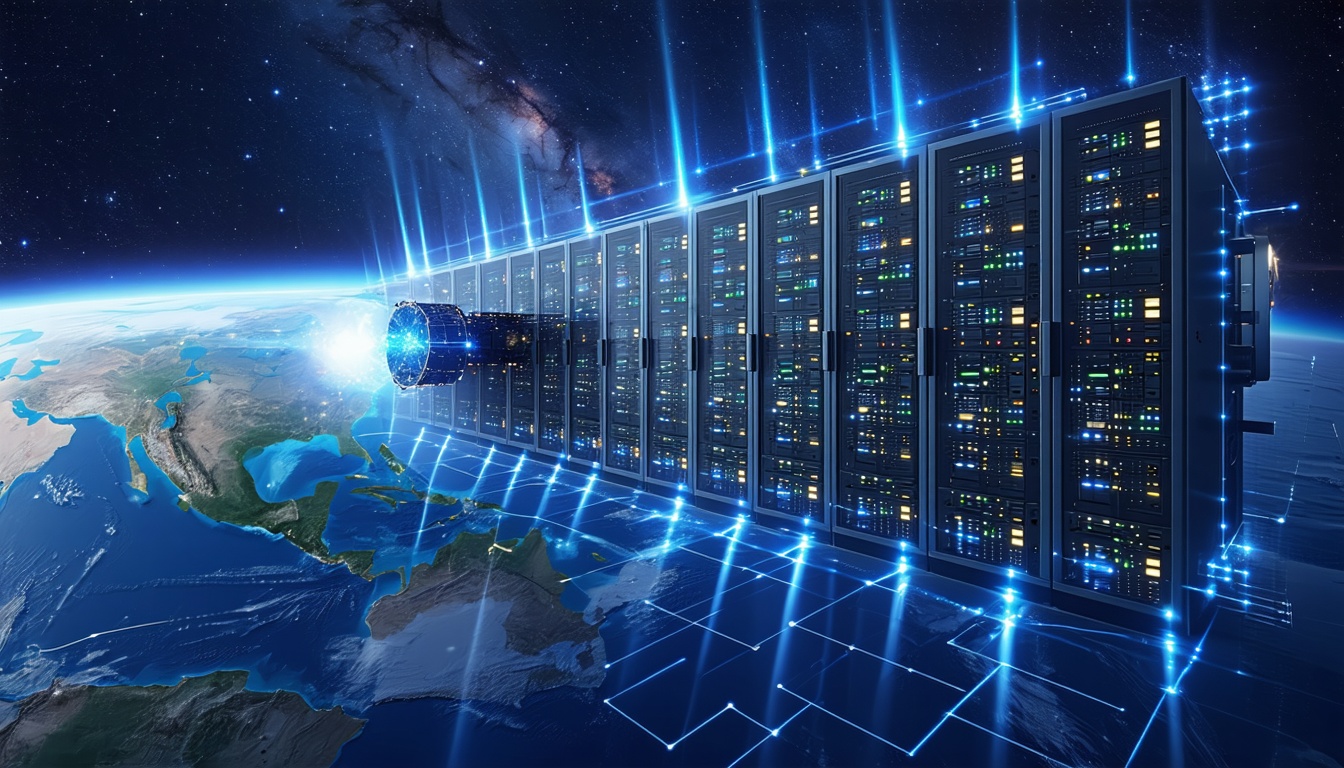
Imagine satellites orbiting Earth, each housing multiple servers cooled by the vacuum of space. These space data centers would connect through laser links to ground stations, enabling data flows with lower latency and less interference than undersea cables.
Cooling servers is a huge challenge on Earth, requiring lots of electricity. In space, the near-absolute zero environment helps keep hardware cool naturally, which could cut energy needs significantly.
Of course, the harsh space environment means hardware must be tough against radiation and temperature swings. Starcloud’s engineers are working on hardened components and smart deployment strategies to keep uptime high.
A Real-World Example: Edge Computing in Extreme Environments
This idea isn’t totally new. Consider edge computing: placing small data centers closer to users to reduce delay. For instance, during the Olympics or major festivals, temporary data centers are set up near venues to handle surges.
A closer analogy is the satellite internet service by companies like OneWeb and SpaceX, which bring connectivity to remote areas. Starcloud’s vision builds on this but with added complexity — doing heavy data processing in orbit.
One inspiring example is NASA’s work with cloud computing on the International Space Station, processing astronaut data onboard. It shows space computing isn’t science fiction anymore.
What This Means For You
You might wonder: Why should I care about Starcloud raising $170 million? The answer is simple — the way our digital lives work is about to change. Faster, greener, and more reliable data centers can mean:
- Smoother video calls and streaming.
- Quicker AI-powered apps.
- More secure data processing.
Plus, space data centers can help reduce Earth’s energy consumption for cloud services, which is a big deal for the environment.
For businesses, this could unlock new possibilities in remote sensing, real-time analytics, and global connectivity.
Looking Ahead
Starcloud is still early in its journey. Challenges abound: technical, regulatory, and cost-wise. But their recent $170 million raise shows strong confidence in their potential. Plus, with more satellites launching every year and technologies maturing, the dream of cloud computing in space feels less sci-fi and more inevitable.
If you’re as fascinated as I am, keep an eye on updates — this could revolutionize the internet infrastructure we all depend on.
What Do You Think?
Would you trust important data to a data center orbiting Earth? What kinds of apps or services would benefit most from space-based data processing? Share your thoughts below!
You might also enjoy: More on PromptTalk
—
References
- TechCrunch coverage of Starcloud’s Series A: https://techcrunch.com/2026/03/30/starcloud-raises-170-million-series-ato-build-data-centers-in-space/
- NASA’s work in space cloud computing: https://www.nasa.gov/
—
!Satellite data center orbiting Earth
Image alt text: Starcloud data center orbiting Earth representing space-based data centers.