Why Fewer Americans Say They Trust AI Tools Despite Growing Adoption
It’s no secret that artificial intelligence (AI) is everywhere now. From chatbots to recommendation engines, more Americans adopt AI tools every day. Yet, paradoxically, fewer say they actually trust what these tools tell them. What’s going on here?
Key Takeaways
- AI adoption in the U.S. is on the rise, but trust in AI outputs is falling.
- Major concerns include lack of transparency, potential misuse, and inadequate regulation.
- Many users feel AI tools can be helpful but worry about accuracy and bias.
- Real-world implications range from how we consume news to making personal decisions.
The Growing Gap: More Use, Less Trust
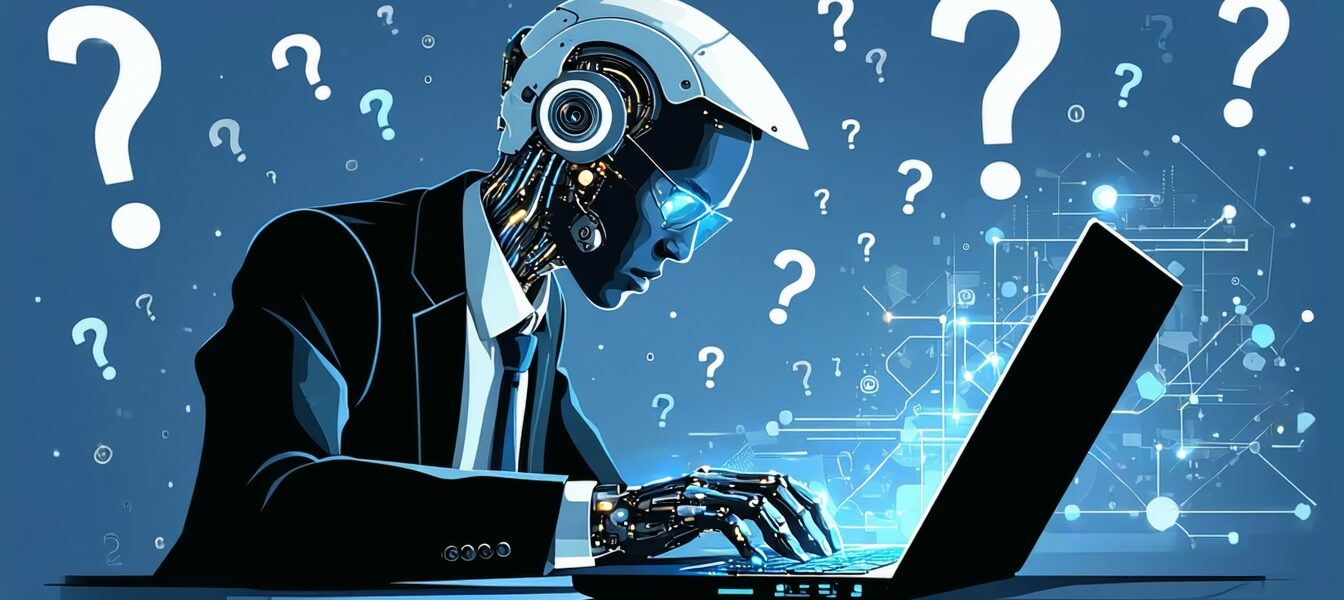
Let’s start with some numbers. A recent Quinnipiac poll found that while a majority of Americans have started using AI tools—whether for work, entertainment, or daily tasks—trust in these tools is slipping. People say things like, “Sure, I use AI, but I’m not sure I can trust the results.”
This gap is understandable. AI systems often feel like black boxes. They spit out answers, but it’s rare for users to know how or why those answers are generated. For example, if you ask an AI chatbot for medical advice, it might sound confident but what if it’s wrong? Without transparency, trust suffers.
Why Fewer Americans Say They Can Trust AI Results
Concerns About Transparency
The number one issue is transparency. Many AI tools don’t explain their reasoning — at least not in a way that the average person can understand. When users adopt an AI tool, they want to know what’s driving its decisions. Unfortunately, that’s often missing.
Fear of Bias and Misinformation
AI systems learn from data—and data can reflect society’s biases or inaccuracies. People worry that AI tools might reinforce stereotypes or spread misinformation unintentionally. This concern is especially high when AI influences news, hiring, or legal decisions.
Regulation Lags Behind Innovation
Americans are also concerned about regulation. Technology races ahead, but legal safeguards seem slow to follow. They want clearer rules on how AI should be developed and used to keep people safe.
Real-World Example: AI in Hiring
Consider the job application process. More companies adopt AI tools to screen resumes and predict candidate success. While this sounds efficient, stories have emerged where AI screening showed bias against women or minorities because of the data it was trained on.
Emma, a friend working in HR, shared her experience with one such AI tool. The system flagged some qualified candidates as “low fit” for reasons Emma didn’t understand. The company had to intervene manually, adjusting the AI’s criteria. Emma trusted the tool to an extent, but said, “I can’t fully rely on it without knowing the details.” This highlights why many Amerikan employes adopt AI tools cautiously and remain skeptical.
What This Means For You
If you’re using AI tools—whether for work, entertainment, or making decisions—being aware of these trust issues is important.
- Don’t take AI outputs at face value. Double-check important information.
- Look for tools that explain their processes or let you see the reasoning behind their answers.
- Stay updated on AI regulations and be aware of your rights.
Remember, AI is a tool—not an oracle. It can help but shouldn’t replace your own judgment.
How Can AI Developers Build Trust?
Developers can improve transparency by offering “explainable AI” features—basically, showing users why the AI made a certain decision.
AI companies should also involve diverse teams when training their models to reduce bias. And they must work with regulators to create clear standards.
What’s Next for Americans Adopting AI Tools?
The adoption rate will likely keep growing. But building real trust takes time. As AI becomes more integrated into daily life, users will demand tools that are not only smart but also honest about their limits.
You Might Also Enjoy:
—
What do you think? Are you using AI tools? Do you trust their results? Let me know in the comments!
—