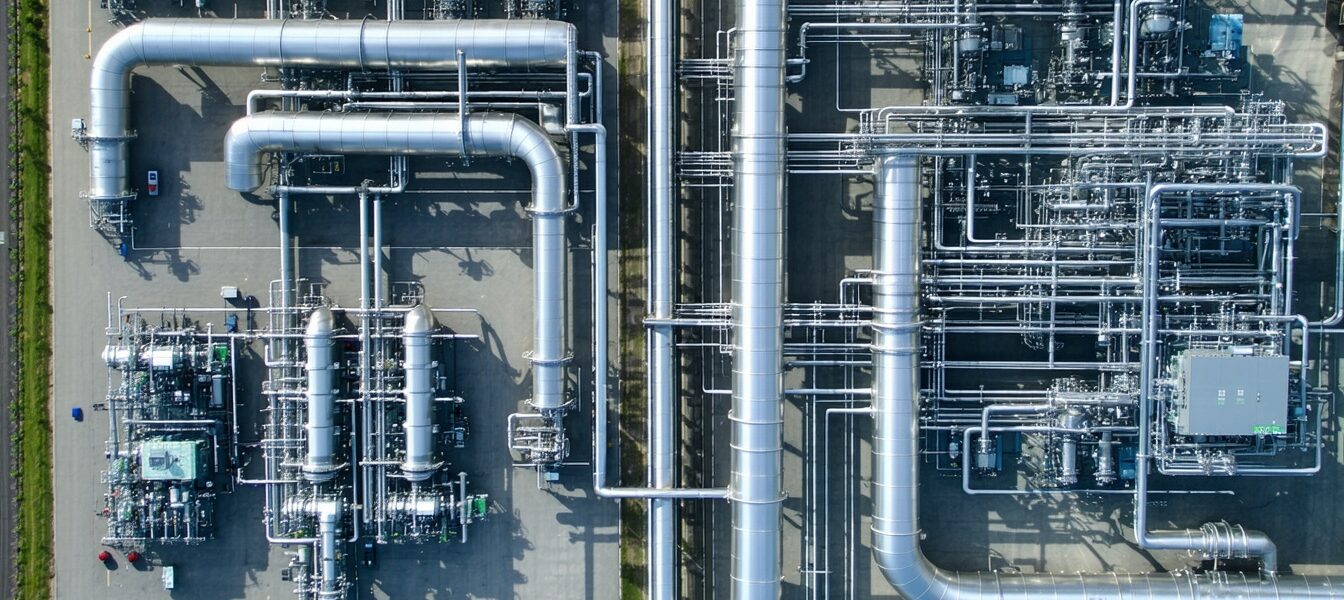
Meta’s Natural Gas Binge: Powering Data and Communities
Meta’s plan to power its new Hyperion AI data center with natural gas has been making waves. This huge “binge” on natural gas plants could supply South Dakota with a major energy boost — but it raises big questions about energy choices in tech. Let’s break it down and explore what this means for AI, local communities, and you.
—
Key Takeaways
- Meta is building 10 new natural gas plants to fuel its Hyperion AI data center.
- This natural gas binge could generate enough electricity to power much of South Dakota.
- The move highlights tensions between AI’s energy needs and clean energy goals.
- Natural gas offers reliability but comes with environmental trade-offs.
- The story shows how tech giants influence local energy landscapes.
—
Why Is Meta Betting Big on Natural Gas?
Meta needs power that’s reliable and constant. AI data centers run 24/7, crunching massive amounts of information, and they can’t afford outages or energy shortages. While renewable sources like wind and solar are great, they have limits, mainly due to intermittency — the wind doesn’t always blow, and the sun doesn’t always shine.
Natural gas has become a go-to solution because it offers relative cleanliness compared to coal and delivers steady power on demand. Meta’s choice to build 10 new plants to feed its upcoming Hyperion center in rural South Dakota is a testament to just how huge the energy appetite for AI is getting.
It’s a “binge” because it’s not a small addition — it’s a whole network of plants with enough capacity to power multiple towns.
What Does This Mean for South Dakota?
South Dakota’s power grid will see a dramatic change. The influx of natural gas plants could mean more jobs during construction and new tax revenues for local governments. However, there’s also a question about environmental impact and long-term sustainability.
For communities, it could mean more stable electricity or, depending on how things develop, more exposure to fossil fuel infrastructure. While natural gas burns cleaner than coal, it still releases greenhouse gases and methane leaks can be problematic.
A Real-World Parallel: Google’s Kansas Solar Push
Taking a step away from Meta, let’s look at Google’s approach in Kansas, where they invested heavily in wind and solar projects to power their data centers. Instead of relying on fossil fuels, Google partnered with local farmers to install solar panels on farmland, providing renewable energy and income for rural communities.
This example shows an alternative path: tech giants can influence energy markets and choose cleaner options that also support local economies. It’s a hopeful contrast to Meta’s natural gas binge but also highlights the challenges of balancing energy needs, cost, and reliability.
The Bigger Picture: AI’s Growing Energy Needs
As AI models get bigger and more complex, their energy footprints expand. Training large AI models can consume megawatt-hours of electricity, equivalent to dozens or hundreds of homes.
This rapid growth makes it difficult to power AI data centers exclusively with renewables, especially when uninterrupted service is critical. That’s why many companies, including Meta, still rely on natural gas as a bridging fuel — cleaner than coal but not zero-emissions.
What This Means For You
You might be wondering how this big tech energy drama connects to your daily life. Here are a few ways:
- Electric bills and infrastructure: As companies build massive energy projects, local grids might face upgrades or stresses that trickle down to consumers.
- Environmental impact: How tech companies power AI affects overall greenhouse gas emissions that influence climate change — something that impacts everyone.
- Job opportunities: New plants and data centers can create jobs in hosting communities.
- Future energy choices: The debate between natural gas and renewables is ongoing. Public pressure can sway companies to adopt greener sources.
Keeping informed helps you understand the trade-offs behind the flashy AI applications we all love.
Let’s Talk About It
What do you think about Meta’s natural gas binge to power AI? Should tech giants prioritize renewable energy even if it’s more complex or costly? Share your thoughts below — I’m curious to hear your take!
—
You might also enjoy: More on PromptTalk
—
For more on the environmental impacts of fossil fuels, check out the U.S. Energy Information Administration.