Japan Robot Isn’t Coming for Your Job—It’s Filling the Ones Nobody Wants
If you’ve been worried about robots taking your job, Japan has a different story for you. Instead of automating high-profile jobs, Japanese companies are using robots to fill roles that people just don’t want anymore. With a growing shortage of workers, Japan is pushing AI-powered robots out of labs and into real-world work, reshaping how we think about automation.
Key Takeaways
- Japan faces a significant labor shortage driven by an aging population.
- Robots are used to fill labor gaps mostly in physically demanding or undesirable jobs.
- This shift shows AI and robots complement human work rather than replace it.
- Real-world deployment of robots highlights AI’s practical benefits beyond pilot programs.
- Everyday workers worldwide can expect AI to assist rather than outright replace their roles.
Why Japan Isn’t the Robot-Takeover You Expect
Japan’s population is aging rapidly, and the workforce is shrinking fast. This means fewer people are available to work, especially in roles that are physically tough or just plain unpleasant. Instead of fearing that robots will steal popular or skilled jobs, Japan is using them to step into these gaps.
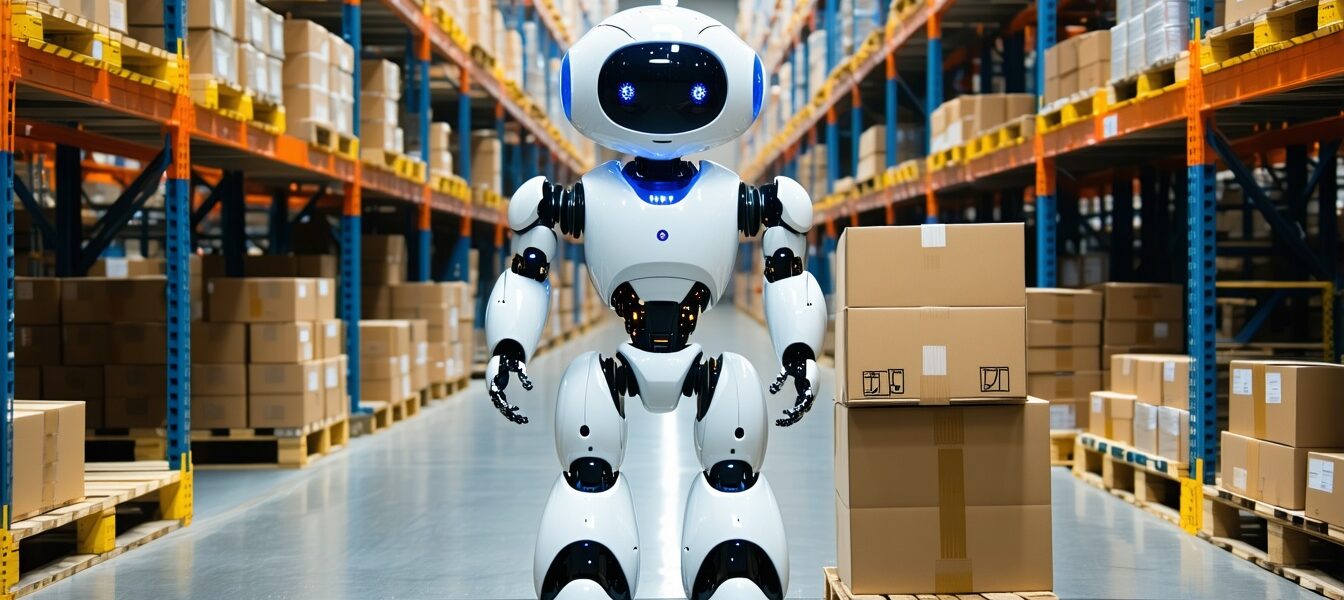
Robots are now commonplace in factories, warehouses, and even elder care facilities—not replacing skilled technicians but taking on repetitive or heavy tasks that humans avoid. This approach flips the script on the usual anxiety about automation and job losses.
Robots Filling Jobs Nobody Wants
Think about jobs like warehouse sorting, sanitation roles, or elderly care tasks like lifting patients. These jobs often have high burnout rates. Japan’s robots are designed to do just that hard work.
One example is in agriculture, where robots help pick fruits or tend to crops—jobs that can be physically taxing and seasonal. These machines don’t replace farmers but help them get through labor shortages.
This kind of AI deployment is about partnership: robots handling the heavy lifting and humans focusing on the parts that need flexibility, empathy, or creativity.
Real-World Example: Robot Waiters in Japanese Restaurants
Outside the factory floor, some Tokyo restaurants have embraced robot waiters. These robots don’t replace chefs or managers; they bring food to tables and handle part of the service. Customers find it fun and efficient, and it eases staff workloads.
This isn’t just a gimmick. Due to a lack of working-age staff willing to do restaurant floor work, these robots keep businesses running smoothly—showing how AI fills gaps in service jobs, not just industrial roles.
What This Means For You
Even if you’re not in Japan, this trend points to a shift you’ll likely see globally. AI and robots won’t just aim to take over your job but will more likely assist, especially in unpleasant or repetitive tasks.
If you work in a field with routine or strenuous duties, think about how AI could become your teammate, making your work easier or safer rather than obsolete. Now’s a good time to get familiar with AI tools relevant to your industry.
The Future of Work and Robots: A Partnership
Japan’s example highlights a hopeful vision: humans and robots working side by side. Instead of a battle for jobs, we’re moving toward collaboration.
This means better quality of life for workers and a more efficient economy. The key takeaway? Robots won’t just take jobs; they’ll transform jobs.
What Do You Think?
Are you worried or hopeful about robots entering your workplace? Have you seen AI make your own or others’ jobs easier? Let’s chat in the comments!
—
You might also enjoy: More on PromptTalk
—
For more insights on AI in daily life and technology news, visit TechCrunch’s coverage on AI.