Iran Threatens Stargate AI Data Centers: What You Need to Know
The tension between Iran and the U.S. recently took a new turn, with Iran threatening to target Stargate AI data centers linked to American operations. This is a developing story that highlights how geopolitics and cutting-edge technology collide in today’s world.
Key Takeaways
- Iran has publicly threatened missile strikes on Stargate AI data centers connected to the U.S.
- Stargate data centers are crucial hubs for AI computation and storage.
- These threats underscore global vulnerabilities in data infrastructure amid geopolitical conflicts.
- Everyday users may feel ripple effects on cloud services and AI-powered platforms.
- Understanding the risk helps us grasp how global conflicts could impact digital life.
—
What Are Stargate AI Data Centers, and Why Do They Matter?
Let’s start with what Stargate AI data centers actually are. These centers are massive facilities housing servers that store and process data for artificial intelligence systems. Think of them as the brains behind AI applications you use daily—from voice assistants to online recommendations.
These centers require vast amounts of electricity and physical security. They’re strategic targets because disrupting them can impact the AI services reliant on these data hubs.
Iran’s Threat: Context and Implications
Iran’s announcement to target Stargate AI data centers signals a new phase in U.S.-Iran tensions. By focusing on AI infrastructure, Iran acknowledges how pivotal technology is in modern power dynamics.
Such a threat isn’t just about missiles hitting buildings. It’s about disrupting the cloud services that countless businesses and consumers depend on. Cybersecurity and physical security overlap here — and it shows how traditional conflict zones are evolving to include cyberspace and tech infrastructure.
A Real-World Example: The 2012 Saudi Aramco Cyberattack
To put things in perspective, consider the 2012 cyberattack on Saudi Aramco, one of the world’s largest oil companies. Hackers deployed the Shamoon virus, which wiped data from tens of thousands of computers, halting operations temporarily.
Though different in nature from missile threats, it shows how targeting key infrastructure—even digital—can cripple economies and services.
This highlights the importance of securing AI data centers like Stargate against both physical and cyber threats.
How Does This Affect Everyday Tech Users?
You might wonder: I’m not a tech giant or a government—should I care? The short answer is yes.
AI-powered services rely heavily on centralized data centers. If Stargate or other such centers face disruptions, you could experience:
- Slower or unstable cloud services
- Interruptions in AI-enabled features like translation or photo recognition
- Potentially higher costs as companies reroute data and services
It’s not an immediate threat to your personal devices but a reminder that our digital lives depend on fragile, sometimes geopolitically vulnerable infrastructure.
What This Means For You
While it might sound like something distant, the reality is that digital security is national security now. Here’s what you can do:
- Stay informed about how geopolitical events affect tech services.
- Back up your important data regularly to avoid losses during disruptions.
- Support companies and services that prioritize strong data security.
- Use VPNs and security tools to protect your online activity during uncertain times.
Understanding the stakes helps make smarter decisions about your tech use.
—
What Do You Think?
How do you feel about the growing intersection between global conflicts and technology? Have you ever experienced service disruptions linked to geopolitical issues? Share your thoughts below!
—
You might also enjoy: More on PromptTalk
—
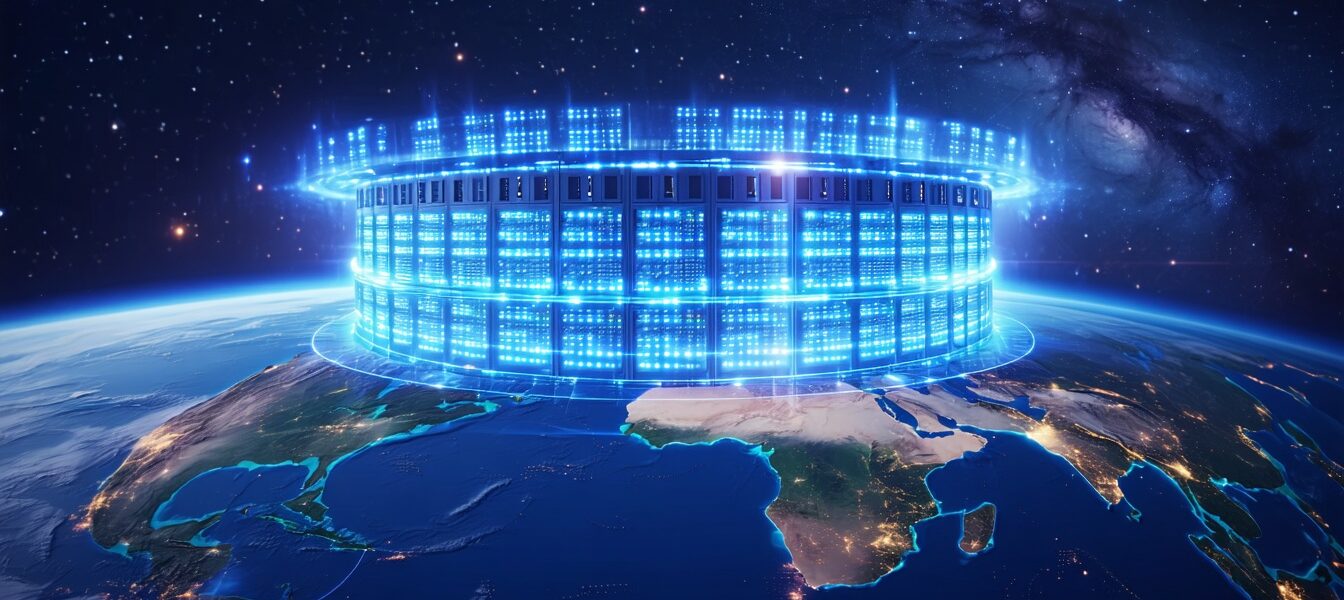
!Stargate AI data center with servers glowing in a secure facility at night