Why Tokyo Important Tech Hub by 2026 Is Unmissable
Imagine a city where the future is literally being built — not in labs far away, but right on the streets and exhibition halls. Tokyo in 2026 is gearing up to be exactly that: a showcase for technologies that could shape the next decade globally. It’s not just a tech fair but a living blueprint of interconnected innovation, backed by serious funding and real-world demos.
Key Takeaways
- Tokyo 2026 focuses on four tech domains with hands-on exhibits, not just talks.
- The event highlights Japan’s pivot to becoming a global technology financier and builder.
- Tokyo’s tech surge reflects a broader shift toward Asia as a dominant innovation ecosystem.
- Real-time demos allow investors and businesses to see future tech in action before committing.
- Emerging fields like sustainable tech and AI hardware get center stage, not buried in software hype.
The Full Story
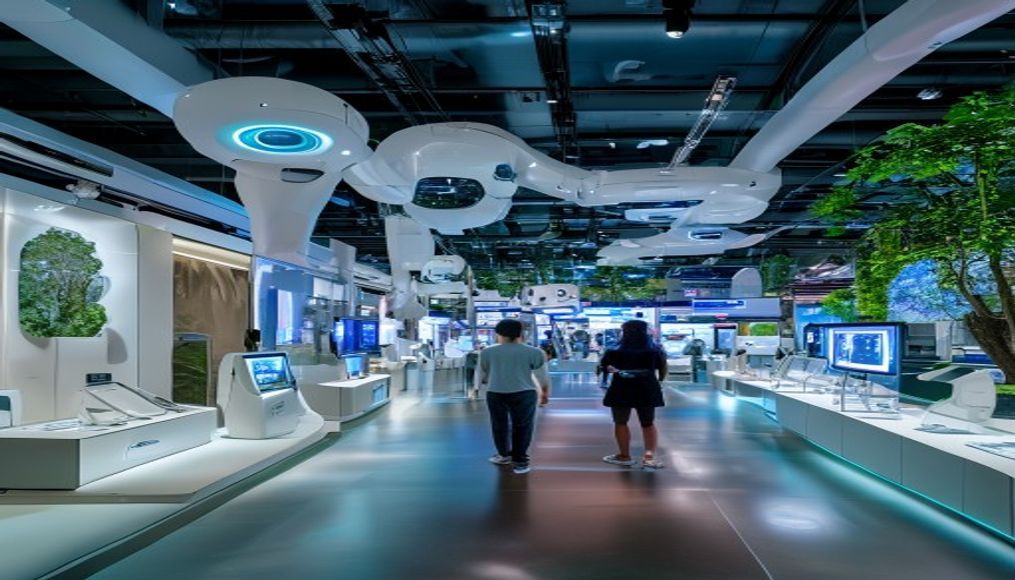
SusHi Tech Tokyo 2026 is not your average conference. According to the event organizers, the spotlight will fall on four tightly knit technology clusters, each backed by dedicated floors and live demonstrations. This level of granularity and real-world showcasing marks a turning point for Japan, long seen as a manufacturing powerhouse but less as a startup or fintech hub.
What’s quietly revolutionary here is how Tokyo is positioning itself as a tech financier. The conference sessions feature significant players who’re not just exhibiting but also funding the next wave of startups globally. A recent McKinsey report points out Asia’s venture capital investments grew 33% in 2023, outpacing the U.S. for the first time in almost a decade (source). Tokyo is the epicenter of this shift, catalyzed by government incentives and local corporations aiming to regain global innovation leadership.
There’s also an unspoken narrative about sustainability and resilience. Japan, having faced natural disasters and economic challenges over decades, now champions tech that’s not just flashy but durable and efficient. The exhibits are carefully curated to emphasize practical benefits—whether it’s robotics that can aid disaster recovery or AI systems that optimize energy consumption.
The Bigger Picture
Tokyo’s rise as a tech destination fits a larger puzzle where Asia is steadily reshaping innovation’s geography. In the last six months, China’s advances in AI chips, South Korea’s focus on 6G rollout, and Singapore’s push into green fintech have created a competitive yet synergistic environment.
Think of this tech ecosystem like an evolving orchestra. Each country or city is a different instrument, with Tokyo specializing in a unique tonality: blending hardware innovation, urban tech, and high-level funding. This matters now because, after years of pandemics and supply chain disruptions, companies want regions with stable infrastructures and integrated tech ecosystems. Tokyo offers precisely that.
In terms of timing, Japan’s government recently unveiled plans allocating $30 billion towards R&D and smart city projects over the next five years. This injects urgency into 2026, making it a strategic milestone rather than a showpiece. For international investors wary of geopolitical tensions and protectionism, Tokyo’s open but precise approach is a breath of fresh air.
Real-World Example
Meet Sarah, who runs a 12-person marketing agency in Los Angeles focused on sustainable brands. She’s been eyeing how AI tools can tailor her clients’ digital campaigns more precisely. Thanks to Tokyo’s 2026 event publicity, Sarah signs up to virtually attend demos of AI-driven analytics platforms specifically designed to optimize energy-efficient marketing campaigns.
What excites Sarah is the real-time data integration shown through demos — seeing exactly how a brand’s social media ad budget can be adjusted to reduce carbon footprints without sacrificing reach. She then collaborates with a Tokyo-based startup, gaining early access to their tech for pilot tests. Without Tokyo as a focal point for showcasing these tools, Sarah’s agency might have had a much longer wait to get hands-on experience.
The Controversy or Catch
Of course, it’s not all smooth sailing. Critics argue that Tokyo’s tech push risks overemphasizing hardware-centric innovation in an era where software agility and data privacy are paramount. Some warn that Japan’s tech industry still suffers from an insular culture that may limit global collaboration or market responsiveness.
Moreover, skeptics question if tight government control and corporate influence could stifle the kind of disruptive startups the region desperately needs. While the SusHi Tech event showcases funding and innovation, some of the most radical ideas tend to come from more open ecosystems like Silicon Valley or Tel Aviv.
There’s also the ethical dimension. Many emerging technologies, especially AI, face regulatory uncertainties that could delay adoption. For instance, Tokyo’s focus on robotics in elder care raises questions around privacy and human interaction quality that aren’t fully answered yet.
What This Means For You
If you’re a business owner, marketer, or tech enthusiast, Tokyo’s 2026 momentum presents three clear actions to take this week:
1. Register for online sessions or virtual demos tied to the Tokyo event to get early insights.
2. Reach out to startups or innovators spotlighted in Tokyo’s four tech domains to explore partnerships.
3. Monitor Japan’s government R&D announcements for funding or collaboration opportunities relevant to your sector.
Even if you’re not directly involved in the Japanese market, understanding Tokyo’s evolving role helps anticipate where some of the next-generation tech tools will come from.
Our Take
Unlike the usual hype around tech events, Tokyo’s 2026 showcase is grounded in concrete demonstrations and strategic funding streams. We believe it reflects a necessary pivot to a more integrated approach — combining manufacturing precision with AI and sustainable tech. However, success will depend on how well Japan balances its traditional corporate culture with the dynamic, decentralized models driving innovation today.
This isn’t about Tokyo competing with existing hubs but carving its own essential niche — one that might redefine what it means to be a global tech hub from 2026 onwards.
Closing Question
What challenges and opportunities do you think Tokyo’s unique tech approach will create for global businesses and innovators in the next five years?
—
You Might Also Enjoy
—