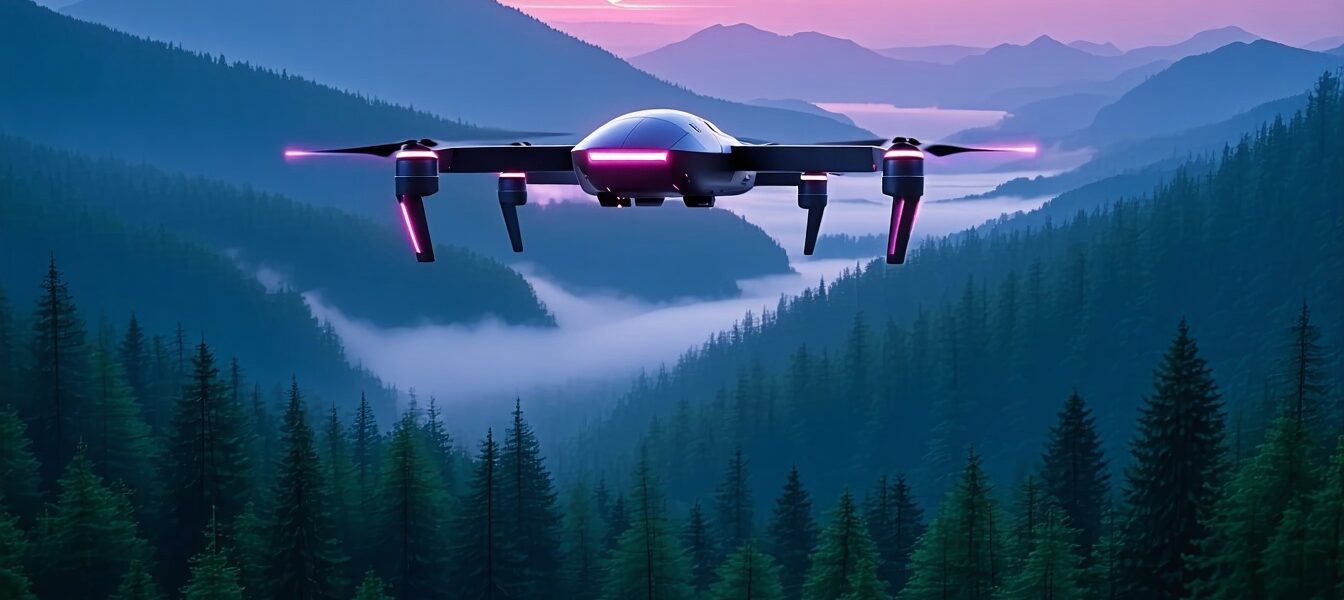
The Unexpected Role of Drones in Protecting Bears: A Download on the State of AI
Imagine a world where silent drones patrol dense forests, not hunting or spying but vigilantly guarding one of nature’s most iconic creatures: the bear. It’s hard to picture drones as protectors, yet that’s exactly what’s unfolding in parts of North America. This isn’t sci-fi — it’s AI-powered reality in action, protecting endangered wildlife against poachers and habitat threats.
Key Takeaways
- AI-driven drones are emerging as critical tools in wildlife protection, especially for bears.
- Real-time monitoring helps track bear populations and deter illegal activities without disturbing habitats.
- Integration with AI analytics turns raw footage into actionable data for conservationists.
- The technology raises ethical debates around surveillance, privacy, and human intervention in nature.
- Businesses and governments are investing millions, signaling a shift toward tech-backed conservation strategies.
The Full Story
AI-powered drones are no longer just tools for commercial delivery or aerial photography. Recent advancements have repurposed them as guardians of vulnerable species, including bears. The key shift is the fusion of drone mobility with AI’s capacity to analyze patterns — like detecting unusual movement indicative of poaching or identifying changes in bear behavior tied to environmental stress.
Organizations like the World Wildlife Fund (WWF) and conservation groups across Canada and the US are deploying these drones for consistent, wide-area surveillance. Compared to traditional guard patrols, drones cover more ground faster and feed data back to headquarters almost instantly. This means faster responses and a significant boost to on-the-ground conservation efforts.
What’s less talked about is the data explosion this generates. Each sortie produces terabytes of video and sensor data, demanding AI algorithms smart enough to differentiate between bears, humans, and false triggers like wind-blown branches or other animals. This isn’t just tech hype — for instance, a 2023 study by the University of British Columbia showed AI-enhanced drone surveillance reduced illegal hunting incidents in protected bear habitats by 35% within a year source.
However, these programs are expensive and require rigorous coordination between technologists, ecologists, and local authorities. Plus, there’s a subtle shift in human roles; rangers become analysts and coordinators, interpreting AI-generated insights rather than patrolling physically.
The Bigger Picture
To understand why drones protecting bears is so significant right now, think about AI and drones as a single orchestra: separate instruments, but together creating new symphonies. In the past six months, AI models have improved dramatically in image recognition, while drone battery lives and autonomous flight capabilities have surged — a double boost that’s sparking new applications beyond conservation.
This convergence isn’t happening in isolation. Consider three related catalysts of change:
1. AI-Powered Forest Fire Detection: Companies like Earth Networks have begun using AI drones for early wildfire detection, crucial as wildfires threaten bear habitats.
2. Automated Anti-Poaching Patrols: African reserves have integrated drone AI to track elephants and rhinos, reducing poaching by up to 50% in some cases.
3. Climate Impact Monitoring: Sensors measuring environmental changes help predict food scarcity affecting bear migration.
Why does all this matter now? Because it’s a moment when environmental urgency meets AI capability — think of it like replacing a handwritten map with GPS in a wilderness expedition. The stakes are higher than ever: climate change and human encroachment push species closer to extinction, and traditional methods just can’t keep up.
Real-World Example: Sarah and the Northern Forest Initiative
Sarah, a conservation manager in northern Alberta, oversees a 200,000-acre forest reserve with a fragile bear population. Before AI drones, her team relied on random patrols and reports from hikers to monitor the bears. That often meant critical threats went unnoticed until it was too late.
Now, with a fleet of AI drones constantly scanning the canopy, Sarah receives alerts about suspicious activities, unusual bear movement, or signs of habitat damage. One night, the AI detected repeated human presence near a known den. The drones alerted local rangers who discovered and stopped illegal trapping.
For Sarah, this technology transformed her role — no longer piecing together sparse clues, she works proactively. The data also supports policy proposals for habitat protection, backed by hard evidence rather than anecdotal observations. It’s an example of AI and drones empowering conservation workers to be a step ahead.
The Controversy or Catch
As promising as this sounds, it’s not a perfect picture. Some environmentalists question the ethics of constant surveillance over natural habitats. Are we treating wildlife as suspects? What about the stress of drones flying close to animals? A 2022 study warned that drone noise sometimes altered animal behavior, potentially affecting mating or hunting.
Privacy concerns also come into play — these drones inevitably capture footage of hikers, campers, and indigenous communities, raising questions about consent and data governance.
Financially, the upfront and recurring costs—often reaching hundreds of thousands of dollars yearly—pose barriers, especially for smaller conservation groups. And with AI still imperfect, false positives can lead to unnecessary interventions, diverting limited ranger resources.
Lastly, critics argue that technology risks overshadowing critical human and ecological knowledge, potentially creating complacency. Could we become over-reliant on tech, ignoring broader environmental policies and community engagement?
What This Means For You
Here’s what anyone interested in conservation, tech, or AI can do this week:
1. Explore Local Conservation Efforts: Reach out to parks or wildlife centers near you. Ask if drone technology or AI monitoring is in use and how volunteers can help.
2. Educate Yourself on AI Ethics: Understand both benefits and drawbacks of AI in real-world applications, especially around surveillance and privacy.
3. Advocate for Balanced Policies: Support legislation ensuring that wildlife tech deployments include community input and environmental safeguards.
Our Take
The intersection of AI, drones, and wildlife conservation, particularly around protecting bears, is a compelling glimpse of where future stewardship lies. We believe this tech offers unmatched potential for early detection and prevention — especially when combined with human expertise.
That said, caution is crucial. Technology should amplify, not replace, traditional conservation wisdom. Balancing innovation with respect for ecosystems and communities will determine the true success of this approach.
Closing Question
As drones buzz quietly over forests and AI scans data quietly, we must ask: how do we ensure this new age of digital guardianship respects both wildlife and human dignity?
—
You Might Also Enjoy
—