How Drones Get Smarter on Large Farms: What’s Changing Now
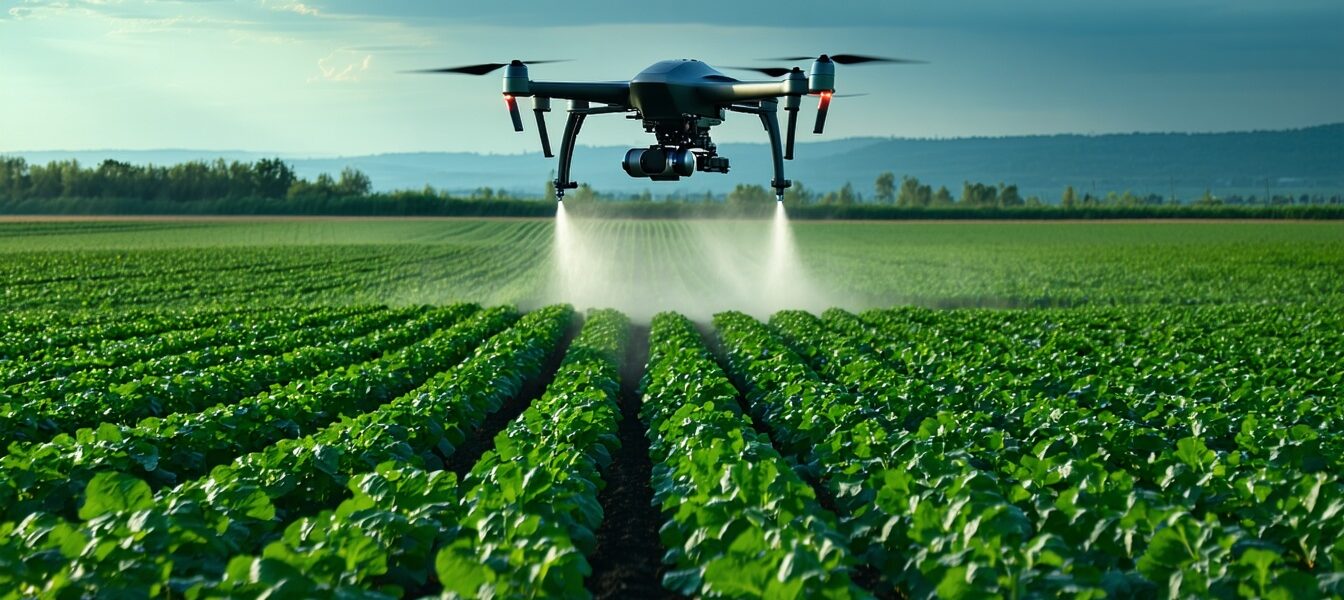
Imagine flying over thousands of acres of farmland with a drone that doesn’t need constant programming or pre-mapping. Instead, it intelligently adapts on the fly, pinpointing exactly where to spray pesticides or fertilizers without missing a single spot. That future is coming faster than most of us realize.
Key Takeaways
- New joint venture GEODASH Aerosystems aims to build drones that plan flights autonomously, no pre-mapping needed.
- Such tech cuts down labor costs and human error for large, industrial-scale farms.
- Agriculture drones are on track to grow at a CAGR of over 30% by 2030, according to MarketsandMarkets.
- These smarter drones can help tackle pressing issues like environmental impact and resource waste.
- However, questions remain around regulation, privacy, and tech reliability on massive farms.
—
The Full Story
What’s really happening here is a step-change in the intelligence of agricultural drones. Singapore-based DroneDash Technologies and GEODNET recently announced a joint venture called GEODASH Aerosystems, aiming to launch a drone specifically designed for large farm holdings. Unlike most current models, these drones will not require farmers or operators to painstakingly map fields before each flight or manually redraw flight plans after every treatment session. This is a big deal because mapping large farm holdings can be both time-consuming and costly.
The companies say the drone system can assess the area in real-time and modify its path accordingly, offering targeted spraying of pesticides or fertilizers. Eliminating manual flight plan updates means these drones can fly more frequently and precisely, reducing chemical waste and potentially minimizing environmental impact.
This development aligns with data from MarketsandMarkets that projects the agriculture drones market to exceed $5 billion by 2030, growing at a compound annual growth rate (CAGR) of around 31%. Larger farms, particularly industrial-scale operations with thousands of acres, stand to benefit the most from smarter drone technology. Removing the need for pre-mapping isn’t just a convenience — it can revolutionize workflow logistics and reduce labor costs, freeing farmers for other tasks.
Yet, what’s unsaid is just as interesting. Current drones and even satellite mapping still struggle with dynamic environments—weather changes, uneven terrain, or crops at different growth stages disrupt maps. These new drones must rely on sophisticated sensors and AI to navigate these challenges autonomously. While the companies tout advanced capabilities, the margin for error on thousands of acres could still be a make-or-break factor.
Read this MIT report on how autonomous systems are reshaping fieldwork for context on the tech hurdles ahead.
The Bigger Picture
This smarter drone approach fits into a wider trend toward autonomy and AI in farming. Over the past six months, several landmark developments have surfaced:
1. John Deere’s introduction of fully autonomous tractors that can till and seed without human intervention.
2. Precision irrigation systems using smart sensors to water crops variably to conserve water.
3. AI-powered pest detection cameras deployed across vineyards and orchards to catch infestations early.
Why does this matter now? Because the traditional farming model is under pressure. Global food demand is predicted to rise by 60% by 2050 (source: FAO). Farmers need more efficient tools that can produce higher yields with fewer inputs, water, and labor. Think of these smart drones not as single devices but as part of a digital symphony—each system playing its part to optimize yield and cut waste.
An analogy: imagine managing a giant orchestra without sheet music. The drones and smart farm equipment are like AI conductors, listening to the field’s ‘music’—soil moisture, wind patterns, pest signals—and adjusting the tempo and volume in real-time to keep the performance flawless. This dynamic approach contrasts sharply with older methods where farmers had to manually choreograph every move.
Real-World Example
Take Jose Alvarez, who manages a 5,000-acre almond orchard in California’s Central Valley. Until recently, Jose’s team spent days creating flight paths for drones and planes to spray fields, often delaying operations when winds or weather turned them away. Then, after adopting a drone system based on this new smart tech, flight preparation dropped from multiple days to mere hours.
Jose noticed fewer chemical overlaps, less pesticide runoff, and healthier trees due to better timing and precision. “It’s like having an extra set of eyes that never tires and instantly reacts to conditions,” he said. His team can now quickly switch drones between orchards or treat problem spots identified by AI-driven crop health reports—without reprogramming the flight every time.
For Jose, these drones didn’t just save time; they transformed how his staff could focus on critical tasks rather than paperwork and drone piloting. This level of efficiency translates into millions saved annually on labor and chemicals, especially for large farms.
The Controversy or Catch
Of course, there’s a flip side. Critics point out that greater drone autonomy raises safety and regulatory concerns, especially in regions with strict UAV laws. Will drones flying unsupervised over densely planted areas suffer from malfunctions that cause crop damage—or worse, accidents? Insurance for such autonomous operations is still in its infancy.
Privacy is another thorny issue. Large drone operations collecting detailed field data could unintentionally capture images of neighboring properties or workers, raising questions about data ownership and consent.
Then there’s the technological hurdle: can these drones truly operate in widely varying environments? Factors like extreme weather, electromagnetic interference, or sudden equipment failure could lead to incomplete sprays or missed patches. As one agricultural expert put it, “Farm fields are chaotic. Expecting a drone to navigate all variables without mistakes is optimistic.”
Finally, there’s the question of cost. Though drone tech is getting cheaper, initial investments and ongoing maintenance might be prohibitive for mid-sized or smaller farms, potentially widening the digital divide in agriculture.
What This Means for You
If you’re a farm owner or involved in agri-business, here are three smart moves you can take this week based on this news:
1. Start talking to tech vendors about drone systems that offer autonomous flight planning to understand costs and capabilities.
2. Review your farm’s current workflows to identify operations that could be streamlined with smarter drone tech, such as spraying or monitoring.
3. Dig into local UAV regulations and insurance policies now to prepare for integrating autonomous drones safely and legally.
Even if you’re not a farmer, this news signals accelerating AI adoption in traditional industries—something to watch closely if you work in supply chains, agri-food, or sustainability sectors.
Our Take
We believe that smarter drones tailored for large farms are a natural next step in agriculture’s steady march toward digital efficiency. Removing tedious flight prep can free farmers to focus on bigger-picture decisions, not just operations. But it’s important to temper enthusiasm with realism. These drones won’t be perfect overnight and raise significant operational and ethical questions. Nonetheless, companies like GEODASH Aerosystems are pushing a valuable frontier worth following.
What’s your take? How comfortable would you be with autonomous drones managing critical farm work without constant human oversight?
—
You Might Also Enjoy
[Link to related post: How AI Is Shaping The Future Of Food Supply Chains]