Hyundai Expands Into Robotic Physical AI Systems Boldly
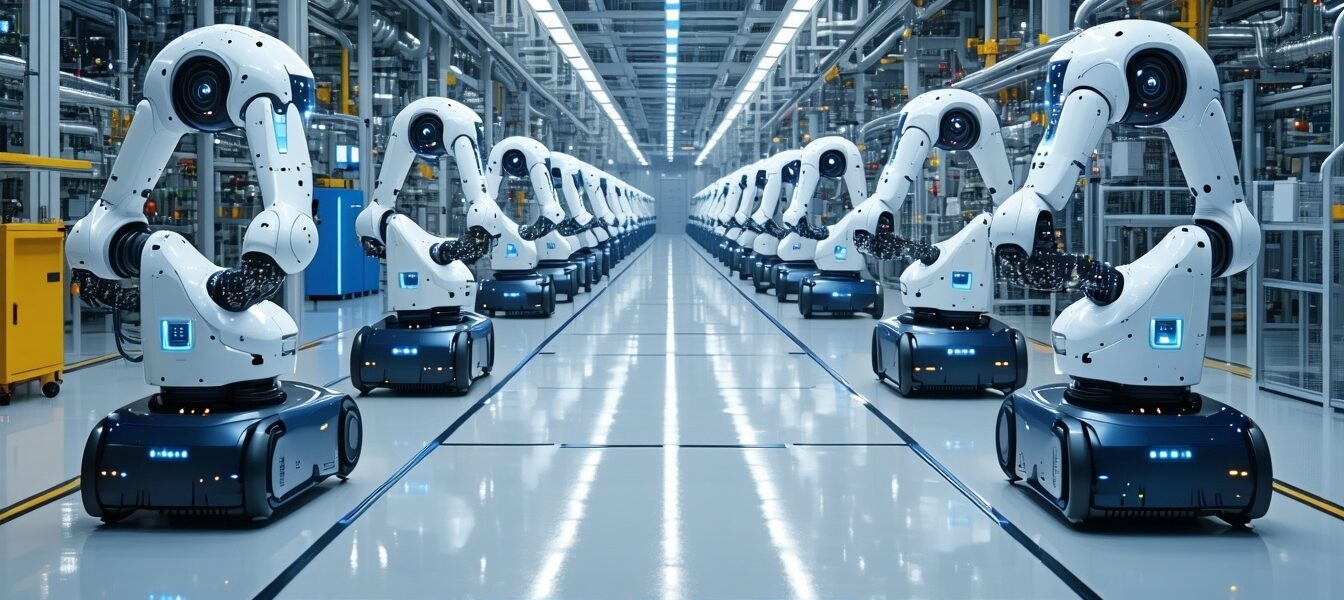
Imagine a factory floor where robots not only assemble cars but also adapt and evolve their tasks independently like skilled craftsmen. That’s closer than you might think, thanks to Hyundai’s recent push into physical AI — AI systems embedded directly into robots and machines interacting in real-world environments. It’s no longer just about software in the cloud but machines that see, think, and move.
Key Takeaways
- Hyundai is investing heavily in physical AI systems, moving beyond autonomous cars to robotic solutions in factories and beyond.
- Physical AI integrates AI into machines that operate and respond in physical environments, enabling adaptable automation.
- This expansion taps into a $45 billion robotics market expected to grow 25% annually through 2028 (Statista).
- Related developments include breakthroughs in tactile sensing AI and industrial collaboration robots (cobots).
- Despite potential, challenges remain around costs, safety, and workforce disruption.
The Full Story
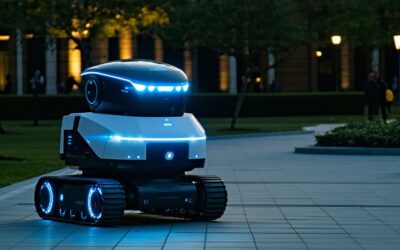
Hyundai Motor Group, traditionally known for its cars, is shifting gears toward becoming a leader in machines that live and breathe in the physical world — robots driven by embedded AI. While autonomous vehicles captured headlines, Hyundai’s new focus is on industrial and service robots powered by physical AI systems that can perceive, plan, and act autonomously on a factory floor or in other physical settings.
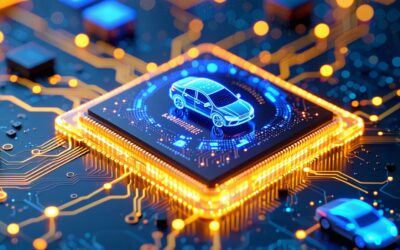
Physical AI refers to the melding of powerful AI algorithms directly into robotic systems equipped with sensors, actuators, and processing units, enabling them to operate in unpredictable real-world scenarios. Hyundai’s ambition is clear: evolve from just building cars to building machines that can build, repair, or assist in physical tasks — a move that could redefine their business model.
What’s striking is Hyundai’s strategic timing. Robotics revenue globally is predicted to hit $45 billion by 2028 and grow at roughly 25% per year according to Statista. Hyundai is effectively positioning itself in this expanding market by leveraging industrial automation trends accelerated by labor shortages and supply chain shifts.
What the company hasn’t openly said is how far this physical AI can go beyond factories. There’s a clear hint of ambition to enter healthcare, logistics, and personal assistance sectors as the technology matures. Hyundai’s recent acquisition of Boston Dynamics-like robotics doesn’t surprise insiders anymore; it’s all part of staging for a future where AI-enabled physical systems become everyday tools.
The Bigger Picture
Hyundai’s leap into physical AI systems is part of a broader wave sweeping through industry. Think of it like upgrading from a traditional chess player (software-only AI) to a humanoid who can navigate actual rooms, move chess pieces, and tell stories about the game.
In the past six months, we’ve seen multiple interconnected breakthroughs:
1. Enhanced tactile AI sensors advancing robots’ ability to ‘feel’ the world and adjust grip or movement in real time.
2. Collaborative robots (cobots) becoming safer and smarter, sharing workspaces with humans without fencing.
3. Edge AI processors allowing AI computation to happen onboard robots without constant cloud reliance, crucial for real-time decisions.
Why now? The pandemic exposed vulnerabilities in traditional labor-intensive industries, inspiring companies to accelerate automation. Moreover, supply chain disruptions highlighted the need for flexible manufacturing units staffed partly by AI-driven machines that can switch tasks without downtime.
To put it simply, physical AI is like giving robots a toolbox and a brain instead of a fixed checklist of actions. The analogy: marketing automation software schedules emails based on rules, but physical AI lets a robot walk the halls, flag problems proactively, and even fetch tools independently, transforming workflows.
Real-World Example
Take Karen, who manages a mid-sized manufacturing firm specializing in custom electronics assembly in Ohio. Until recently, her production lines relied on semi-automated machinery requiring manual recalibration for new product variations, causing bottlenecks and overtime work.
By partnering with Hyundai’s robotic physical AI systems, Karen installed cooperative robots that learn from human operators and adapt tooling changes overnight. Instead of programming each step, these robots sense the workspace changes and reconfigure themselves autonomously. The result? Production ramped up 20% while labor hours dropped 15%, and quality defects decreased significantly.
Karen’s team now spends less time on routine adjustments and more on innovation and quality assurance. This isn’t science fiction — it’s the near-future reality reshaping manufacturing floors worldwide.
The Controversy or Catch
Every bold step into physical AI also raises warnings. Critics argue that expanding robotic systems could exacerbate job displacement in sectors already strained by automation. How will workers, especially those in manual roles, be retrained effectively?
Safety remains a thorny issue. Deploying intelligent, mobile robots alongside human workers presents risks of accidents, especially in complex and dynamic industrial settings. Regulatory frameworks are still catching up, raising questions about liability and standards.
Additionally, embedding AI into physical systems can create security vulnerabilities. Physical robots connected to networks could become targets for hackers, potentially leading to sabotage or data breaches — a risk Hyundai and others must mitigate.
Lastly, the costs are non-trivial. Small and medium businesses may find upfront investments in physical AI systems prohibitive without clear short-term ROI, potentially widening the technology gap.
What This Means For You
If you’re a business owner, engineer, or simply tech-curious, here are three things you can do this week:
1. Explore robotics pilot programs: Reach out to vendors offering physical AI robot trials. Testing firsthand clarifies potential benefits and challenges.
2. Upskill your workforce: Start training staff on AI-friendly skills like robot supervision, maintenance, and basic programming to stay ahead.
3. Assess your automation gaps: Map repetitive physical tasks in your operations that might benefit from AI-driven robotic assistance.
Taking these steps isn’t about rushing to replace humans but strategically blending AI with human skills to future-proof your enterprise.
Our Take
Hyundai’s shift into physical AI systems feels like a well-timed and carefully strategized move rather than a flashy tech pursuit. Unlike many companies chasing hype, Hyundai is quietly building scalable, adaptable machines with practical, near-term business applications. This approach recognizes that AI’s greatest value will lie in the physical world, not just digital spaces.
However, the road ahead requires transparency about safety, workforce impact, and governance. Hyundai’s success will hinge on balancing bold innovation with responsible integration.
Closing Question
As Hyundai and others embed AI deeper into machines that operate alongside us, how do you imagine the ideal balance between human work and robotic assistance unfolding in your daily life or industry?
—
You Might Also Enjoy: More on PromptTalk
—
Image alt text: “Hyundai robotic physical AI system operating autonomously on a factory floor, demonstrating advanced robotics and AI integration.“