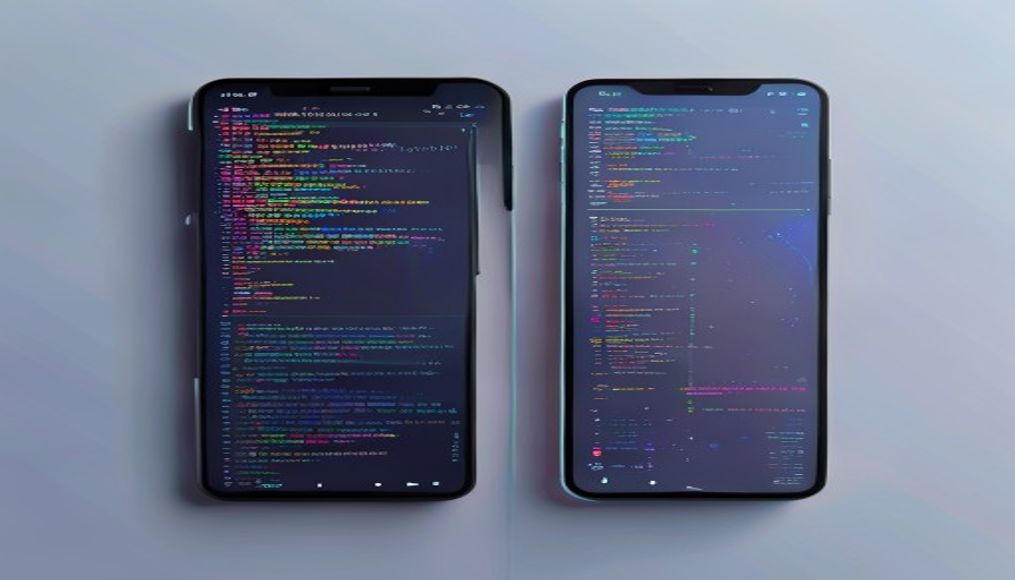
Lovable Launches New Vibe-Coding App for Mobile Devs
Imagine sitting in a café, sipping your coffee, and tweaking your web app’s design or logic — all from your phone. Sounds like a developer’s daydream, right? Well, Lovable just made it real with their new vibe-coding app now available on iOS and Android.
Key Takeaways
- Lovable’s app empowers developers to build and modify web apps directly on mobile devices.
- The app targets on-the-go workflows, filling a gap where traditional laptop-based coding dominates.
- Mobile code editing adoption is still niche but growing; 23% of developers reported using mobile IDEs in 2023.
- This launch intersects rising interest in no-code and low-code tools, aiming to simplify creation.
- The app’s success depends on usability, flexibility, and how well it bridges the ‘mobile’ vs ‘desktop’ coding divide.
The Full Story
Lovable just launched a mobile app designed specifically for “vibe coding” — a fresh take on coding that feels informal, fluid, and intuitive, tailored for mobile devices. Available on both iOS and Android, it lets developers edit websites and web apps on the go.
At first glance, this might seem like just another mobile IDE, but Lovable’s approach focuses on making coding more approachable and playful. Its core promise is to shift development from cumbersome laptop setups to spontaneous mobile moments. That could be a subtle but notable shift in a field where 94% of working developers still primarily use desktop machines, according to Stack Overflow’s 2023 Developer Survey.
What’s interesting is that by emphasizing a “vibe” of coding, Lovable hints at lowering the barriers to entry. It’s not pitched only for hardcore developers but creatives, marketers, and anyone who needs quick edits without booting up their laptop.
Yet, Lovable hasn’t announced detailed integration plans with popular platforms like GitHub or frameworks, possibly saving some features for later. This restraint lets them focus on early adoption and feedback. It’s a smart approach given that the market for mobile code editors is still emerging and unproven at scale.
The Bigger Picture
Why does a mobile coding app matter so much now? Because the tech world’s working habits and expectations are shifting.
First, there’s a broader rise in mobile productivity. Apps like Notion and Slack have thrived on smartphones by turning traditional desktop workflows into bite-sized, mobile-friendly tasks. Then there’s the booming interest in no-code and low-code platforms that simplify building websites and apps for non-technical users. Lovable’s vibe-coding app fits into this trend by targeting a spectrum between full-on developer IDEs and simple drag-and-drop tools.
In the past six months, we’ve seen a few related developments:
- Microsoft expanded Visual Studio Code’s mobile beta, acknowledging demand for on-the-go development.
- GitHub’s Copilot X now works in multiple environments, including lightweight mobile editors.
- Google’s Flutter framework gained more tools emphasizing rapid prototyping across devices.
Think of Lovable like the Swiss Army knife of coding: instead of lugging around a heavy toolkit (a laptop and complicated software), you get a compact, versatile tool that fits in your pocket. It won’t replace a full desktop IDE but offers much convenience when smaller, real-time fixes or experimentation are needed.
Real-World Example
Sarah runs a small digital marketing agency of 12 people. She’s not a coder but manages multiple client websites needing frequent updates and tweaks. Usually, she flags developers and waits for changes, which slows campaigns.
With Lovable’s vibe-coding app, Sarah can make small content tweaks herself during client meetings or in between errands. She edits the site’s headlines, toggles colors, or updates widgets directly from her phone. This cuts turnaround time and eases communication between her team and clients.
For Sarah, the app feels like having a mini coding assistant in her pocket—bridging the gap between technical constraints and creative agility. This ease of access changes her workflow, making her agency more responsive and efficient.
The Controversy or Catch
No innovation arrives without questions, and Lovable’s app is no exception.
Critics might question whether mobile devices offer a sufficient environment for meaningful coding work. Smartphones and tablets face limitations like screen size, input precision, and processing power. While the app promises to ease on-the-go adjustments, complex development work likely remains tethered to desktops.
Security is another concern. Mobile devices are more prone to loss or hacking, raising questions about code safety and integration with enterprise workflows. Also, the app’s ‘vibe’ approach might not appeal to purist programmers who expect robust debugging, version control, and modular coding features.
Furthermore, Lovable’s current marketing is light on details about collaboration features, offline capabilities, and compatibility with popular coding stacks. They’re navigating a tricky balance between simplicity and power—too much simplification could alienate professional users.
Finally, some skeptics worry that tools like this might unintentionally widen skill gaps by encouraging quick fixes instead of deeper coding understanding. This could lead to technical debt or messy codebases.
What This Means For You
If you’re a developer, marketer, or anyone managing digital spaces, here are three things you can try this week:
1. Download and test Lovable’s app. Experiment with what vibe coding feels like for your projects or daily tasks.
2. Explore mobile-friendly coding workflows. Look at your current process and where urgent changes happen; could mobile editing speed these up?
3. Evaluate no-code and low-code options alongside vibe coding to see which suits your team’s skill set best.
Also, keep an eye on how Lovable evolves its integrations and features over the next quarter—early adopters can have meaningful input.
Our Take
Lovable’s launch is a refreshing nod to how work is genuinely changing. It understands that developers and digital teams aren’t always chained to desks. While it won’t replace desktop IDEs soon, the app smartly carves out a niche for fast, casual development moments.
I appreciate Lovable’s restraint in not overselling capabilities. It invites experimentation while accepting that mobile coding is still bleeding edge. This honest approach may well foster a community around a new way of working — blending coder rigor with creative spontaneity.
Closing Question
If you could fix or tweak any website or app feature from your phone in seconds, what would you change? Would this kind of on-the-go control improve your workflow or just add distraction?
—
You Might Also Enjoy: More on PromptTalk
—
External reference: Stack Overflow Developer Survey 2023 — https://stackoverflow.blog/2023/01/17/developer-survey-2023-results/