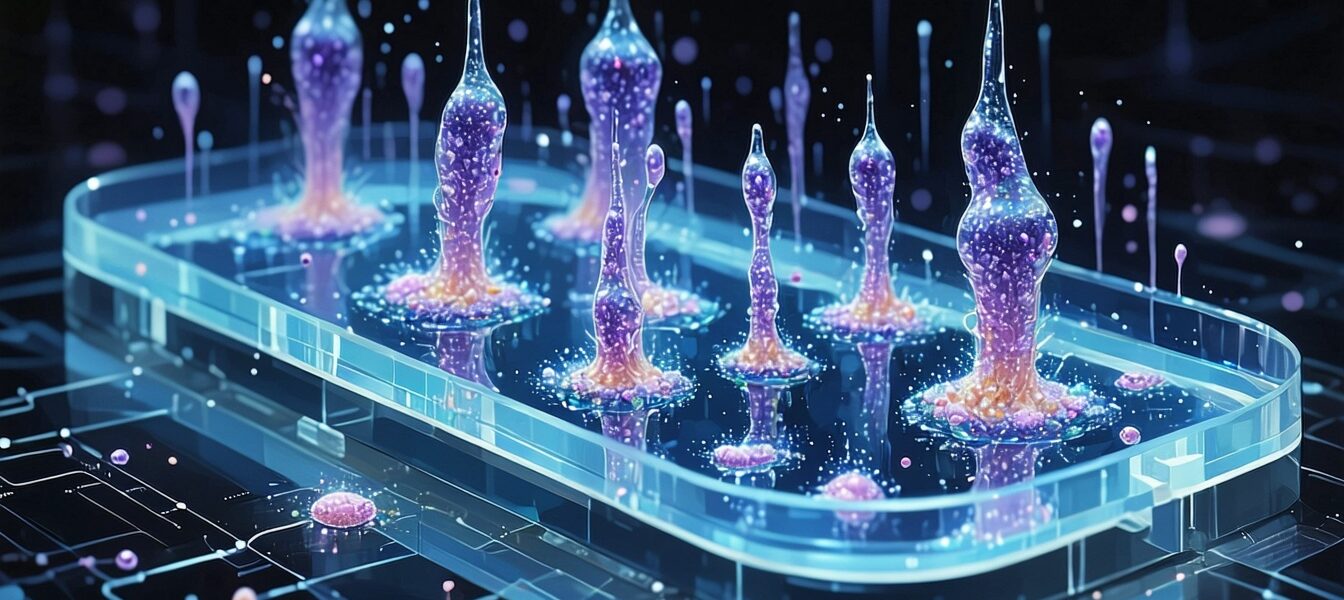
No One’s Sure if Synthetic Mirror Life Will Save or Doom Us
Opening Hook
Imagine a form of life so alien it’s made of “mirror” molecules—unrecognizable to every living cell on Earth. A creation that could evade all known antibiotics, immune responses, and detection methods. Sound like science fiction? Scientists in synthetic biology have been quietly working on just that. But while the promise is irresistible, the risks have experts asking: could synthetic mirror life end up threatening us all?
—
Key Takeaways
- Synthetic mirror life is built from molecules opposite in chirality to natural life, making it essentially invisible and unreachable by Earth’s biology.
- Researchers see it as a powerful tool for medicine and biotechnology, potentially safe from viruses and enzymes that target normal cells.
- The biggest unknown: what happens if such life escapes containment? Could it disrupt ecosystems or evolve unpredictable threats?
- Ethical and safety concerns are pushing calls for global governance frameworks before advancing mirror-life experiments.
- This research spotlights the urgent need for balancing innovation with caution in synthetic biology’s next frontier.
—
The Full Story
In February 2019, over 30 synthetic biologists and ethicists met under strict confidentiality to discuss funding ideas for bold synthetic biology projects. One proposal stood out: developing “mirror” bacteria — microbes built with chiral molecules that are the mirror image of what naturally occurs in life on Earth. This means every protein, sugar, and DNA base would be flipped, creating life that can’t interact with normal cells.
Why create this alternate form of life? The appeals are many. Mirror life would resist viruses since viruses are precise to natural molecular structures. It should, in theory, be immune to enzymes and predators found in nature, making it a potentially powerful chassis for drug delivery or biomanufacturing without ecological risk. Imagine a bacterium delivering cancer therapy inside the body but that can’t spread or mutate naturally.
But “in theory” is the operative phrase. No lab has yet produced fully functioning mirror microbes, and the technical hurdles are immense. More pressing are the unknowns: If somehow mirror life entered ecosystems, how would it interact with normal organisms? Would it consume resources, mutate, or form new dangers? Experts remain worryingly “unsure” about containment and long-term consequences.
For context, the global synthetic biology market is poised to exceed $34 billion by 2027, per Grand View Research, underscoring high stakes for breakthroughs—but also risks. And this isn’t a distant future concept; synthetic biology labs worldwide increasingly blur lines between engineering and creating novel life. What starts in the lab matters to all of us.
The Bigger Picture
Synthetic mirror life is part of a broader surge in biological engineering pushing past traditional boundaries. In the past six months alone, we’ve seen:
- Companies like Ginkgo Bioworks expanding efforts to engineer microbial factories producing sustainable chemicals.
- CRISPR-based gene editing entering clinical trials aiming to cure hereditary diseases.
- Advances in xenobiology, where unnatural molecular building blocks get incorporated into life, challenging the very definition of what living things are.
Together, these trends show synthetic biology is moving from incremental tweaks toward entirely new, synthetic organisms. Mirror life evokes an analogy: think of current biology as a right-handed glove—mirror life would be the left-handed glove. It fits our hands poorly, resists our touches, and might hold secrets we don’t yet comprehend. Imagine if gloves suddenly started interacting with things in new ways, sometimes beneficial, other times harmful.
Why does this matter now? Governments have poured billions into bioengineering to secure economic and health leadership. But our regulatory frameworks, often decades old, struggle to cover tech that can literally reshape life itself. Our global experience with biosecurity—reflecting on incidents like smallpox virus research or gain-of-function experiments—underscores the importance of preemptive, transparent oversight, especially here.
Real-World Example
Consider Sarah, who runs a small biotech startup in Boston developing next-gen antimicrobial treatments. With antibiotic resistance on the rise—over 1.27 million deaths globally in 2019 attributed to drug-resistant infections (against a backdrop of WHO reports)—Sarah’s company is exploring how mirror peptides could form a new class of undetectable antimicrobials that bacteria can’t dodge.
If Sarah’s team successfully harness mirror life’s unique molecules, her treatments could save tens of thousands of lives annually. But she also worries about unforeseen outcomes. The company invests heavily in containment and biosecurity because no one yet knows how mirror microbes might change if accidentally released. For Sarah, this tightrope walk between innovation and safety defines every day at the lab bench.
The Controversy or Catch
Here’s the flip side: as exciting as synthetic mirror life seems, it’s fraught with unknowns and ethical puzzles. Critics argue there’s insufficient international guidelines to oversee such research. If mirror organisms can’t be detected by natural immune systems, what if they accidentally cause infections? Could they outcompete natural bacteria, triggering ecological collapses nobody predicted?
More controversially, some fear this technology could pave ways for bioweapons—engineered mirror pathogens impervious to current defenses. While no evidence exists that researchers intend harm, the technology’s dual-use nature raises alarms.
Moreover, there’s debate over whether synthesizing alien life forms crosses moral boundaries. If life is created without a natural precedent, what ethical obligations do we hold toward such organisms, and by extension, toward the environment they interact with?
Questions remain unresolved: How do we ensure transparency when proprietary corporate IP meets global biosafety? And fundamentally, who decides if synthetic mirror life projects move forward or pause?
What This Means For You
You might not be a scientist, but synthetic mirror life impacts broader tech, health, and ethical conversations. Here’s what you can do this week:
1. Stay Informed: Subscribe to trusted science news sites that report synthetic biology responsibly. Awareness is the first defense.
2. Engage in Public Dialogue: Look for local or online bioethics forums or panels. Your voice matters in shaping governance.
3. Practice Caution in DIY Bio: If you’re an amateur biologist, avoid experimenting with synthetic organisms until regulations and safety measures are clearer.
Our Take
We believe synthetic mirror life represents a bold scientific frontier but isn’t something to rush. The potential breakthroughs are significant, yet the unknowns demand precaution, transparency, and international collaboration. This is a moment to temper excitement with grave responsibility—not just for labs or governments, but for all of us as global citizens affected by these tiny mirrors of life.
Closing Question
As synthetic mirror life research advances, should there be a global moratorium until safety protocols catch up, or is innovation too urgent to pause? What do you think?
You Might Also Enjoy
[Link to related post: “How Synthetic Biology is Rewriting What It Means to Be Alive”]