SoftBank Creating Robotics Data Centers: What’s Next?
Opening Hook
Imagine robots building the very data centers that power the AI they run. It sounds like science fiction, but SoftBank is making this vision a reality. They’re creating a robotics company focused on automating data center construction, aiming for a colossal $100 billion IPO. This raises a fascinating question: can AI and robots bootstrap the infrastructure they depend on?
—
Key Takeaways
- SoftBank is building a robotics venture to automate data center construction, a shift from traditional infrastructure building.
- The company aims for a $100 billion IPO, betting big on robotic automation to solve data center scalability.
- This move highlights a growing trend where AI and robotics create the backbone for future AI deployments.
- Automation in infrastructure could reduce costs and speed up rollout but raises questions about reliability and workforce impacts.
- Understanding this shift is crucial as business owners and tech leaders prepare for AI’s expanding hardware demands.
—
The Full Story
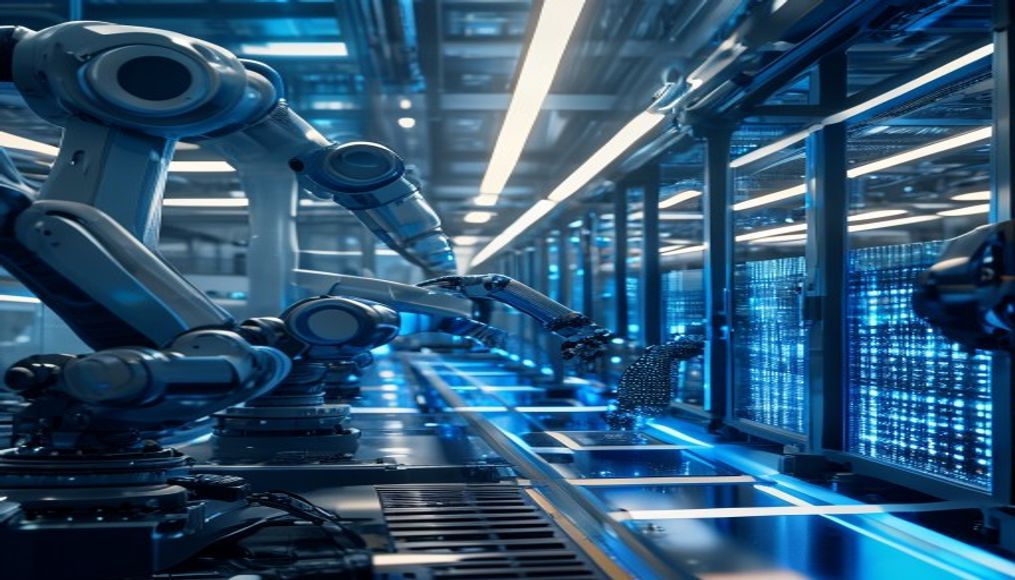
SoftBank’s new project isn’t just another robotics startup — it’s a bold attempt to marry robotics and infrastructure in a deeply symbiotic way. The company is creating a specialized robotics entity with the goal of designing and building data centers using robots and AI-driven automation.
Why does this matter? Data centers are the bedrock of all modern computing, particularly AI, which requires massive computational power in the cloud. According to Cisco, global data center traffic grew by over 30% annually in recent years, dwarfing typical IT growth. Yet constructing and scaling these data centers remains labor-intensive, costly, and slow.
SoftBank’s approach may flip this model on its head. Robots assembling, connecting, and managing physical infrastructure at scale could dramatically reduce build times and costs. But beyond efficiency, it’s a profound cultural pivot: machines building the very facilities that run their digital “brains.”
The $100 billion IPO target signals peak confidence—and stakes. Public investors will scrutinize whether robotics can reliably handle complex, large-scale builds traditionally done by skilled humans. SoftBank isn’t just chasing profit; it’s betting on a new era where AI and robotics bootstrap themselves into ubiquity.
What’s not said openly is the ambition here to create near-autonomous infrastructure development. This could trigger cascading changes across multiple industries, from cloud providers to manufacturing.
Source: Cisco Annual Internet Report
—
The Bigger Picture
SoftBank’s move comes at a time when the AI infrastructure demand is exploding. Take the last six months:
1. Nvidia unveiled next-gen AI chips pushing up data center loads by tens of percent.
2. AWS expanded its AI-specific availability zones to dozens of regions, stressing build capacity.
3. Several cloud providers announced multi-billion-dollar data center expansion plans.
The analogy I like here is this: imagine a city growing so fast that the builders start to send robots to build the factories that make bricks and steel — scaling construction’s supply chain from the inside out. SoftBank’s robotics venture is basically that robot builder.
Why now? The traditional infrastructure model bottlenecks AI’s promise. Even if we have the smartest algorithms, we won’t make progress if hardware can’t keep up. Just as the steam engine revolutionized production efficiency in the 1800s, automation in data center building could unlock AI’s next growth spurt.
This trend fits into broader shifts of automating labor-intensive infrastructure projects, from the use of drones to scan pipelines to AI managing entire supply chains. It’s a turning point in how technology powers technology.
—
Real-World Example
Meet Sarah, who runs a mid-sized AI-driven marketing analytics firm with 20 employees. Sarah relies heavily on cloud compute to run advanced models analyzing consumer behavior in real-time.
Until recently, Sarah often faced delays and rising costs as cloud providers struggled to expand capacity fast enough. When SoftBank’s robotics-fueled data centers roll into mainstream, Sarah’s firm could benefit in three concrete ways:
- Faster provisioning: New data centers built by robots can go live quicker, speeding service access.
- Lower costs: Automation reduces build and maintenance expenses, which could translate into lower cloud prices.
- Greater scalability: Automated setups can respond dynamically to usage spikes without long lead times.
For Sarah, this means more predictable budgets, better service reliability, and the ability to scale client projects with agility. This isn’t futuristic—it’s a tangible shift arriving in the next few years.
—
The Controversy or Catch
Despite the promise, critics warn of potential pitfalls. First, the complexity of data centers makes full robotic automation challenging. Construction involves intricate tasks like fiber-optic cabling, power distribution, and cooling systems — areas where robotic dexterity still lags behind skilled humans.
Second, the workforce impact is a concern. Automating construction jobs might displace skilled laborers, raising questions about economic shifts and retraining needs.
Reliability is another factor. Can robots manage unexpected on-site challenges? A failure in construction can be costly and slow down critical AI initiatives.
Lastly, this strategy depends on AI safety and robotics maturity remaining high. Any technical setbacks or safety incidents could undermine public and investor confidence before the IPO.
These critiques aren’t deal breakers but highlight that SoftBank is navigating uncharted territory with high stakes.
Source: McKinsey on automation impact
—
What This Means For You
If you’re a business leader, marketer, or tech enthusiast, here are 3 concrete steps to take this week:
1. Evaluate your cloud dependency: Analyze how infrastructure delays affect your projects and budget.
2. Follow SoftBank’s robotics progress: Set Google alerts for updates on SoftBank’s IPO plans and data center innovations.
3. Plan for automation impact: Consider how robotics-driven infrastructure might influence your vendor and supply chain selection over the next 2–3 years.
By staying proactive, you’ll be ready to leverage new infrastructure efficiencies as they come online.
—
Our Take
SoftBank’s bid to create a robotics company that builds data centers is a bold gamble that could reshape the foundation of the AI economy. While some may see it as a tech fantasy, the scale of investment and clear market need make it a serious pivot, not hype.
That said, technological optimism must be balanced with realism about robotics’ current limits and social impacts. The $100 billion IPO target may seem ambitious, but it captures how critical and scarce automated infrastructure building truly is.
We believe this move reflects a bigger truth: AI’s future isn’t just in software, but in mastering the physical machinery that supports it. SoftBank is aiming to be first in that race.
—
Closing Question
If robots start building the data centers powering AI, how do you think this will reshape jobs and industries you care about in the next decade?
—
You Might Also Enjoy